Dementia care home finance
We arrange commercial finance for operators, buyers and investors acquiring, refinancing or building dementia and memory care homes. This is business lending against a trading home, not help with paying for dementia care.
Funding dementia care
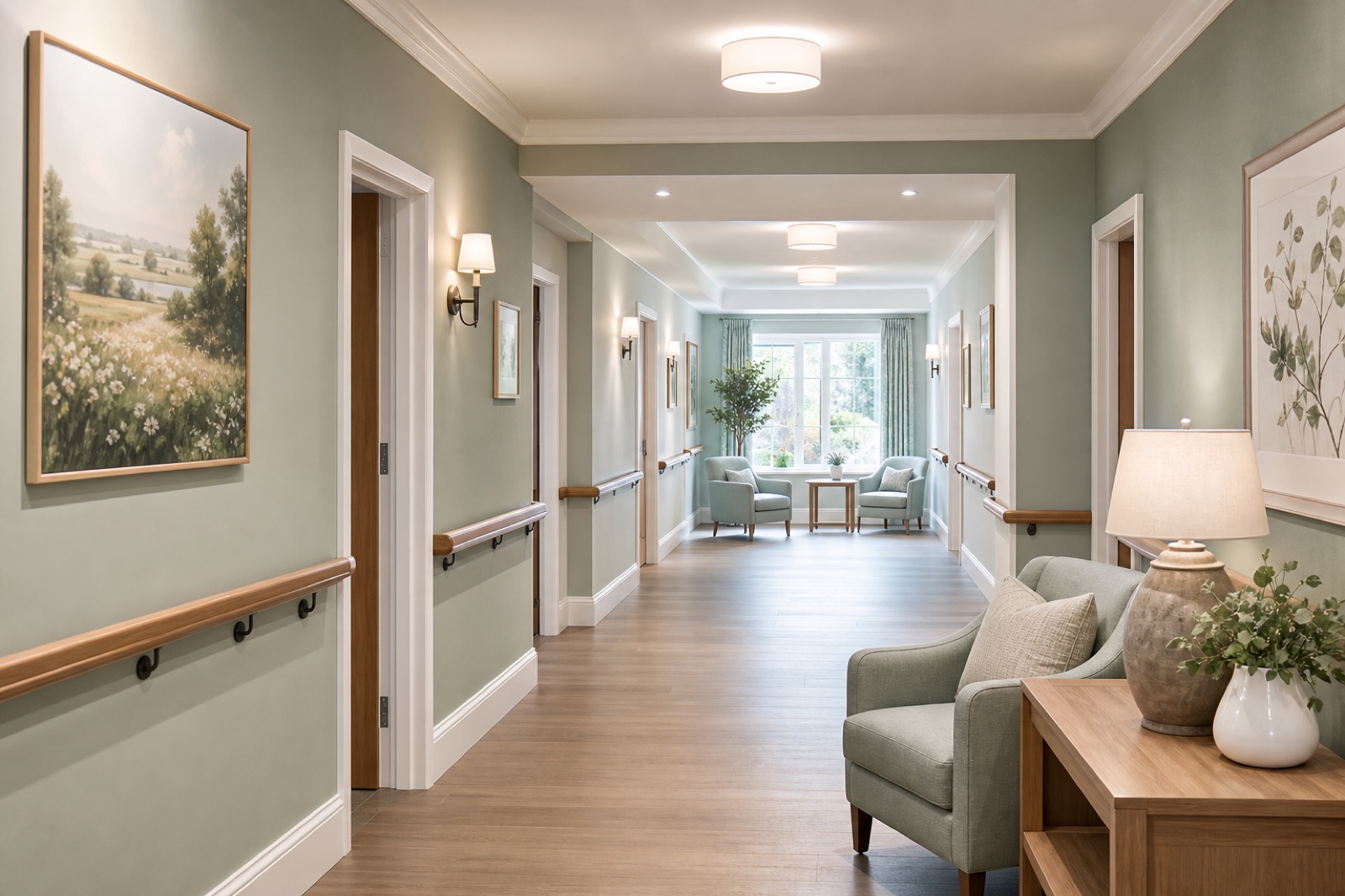
Dementia and memory care homes are designed and registered around the needs of residents living with dementia, with secure layouts, sensory design and higher staffing ratios. Many sit within residential or nursing registrations rather than as a separate category, so lenders read them through the home's overall CQC rating and trading.
Dementia care home finance, as we use it, is the commercial mortgage, development or going-concern loan used to buy, build or refinance a dementia-specialist home as a trading business. The credit case turns on the operator covenant, the CQC rating, occupancy and the fee mix, with particular attention to the staffing model that specialist dementia care demands.
Because dementia care commands premium fees but carries higher staffing intensity, lenders look for an operator with a genuine clinical and design track record. A purpose-designed, well-rated dementia home in a strong catchment is a compelling asset; a converted property struggling to deliver specialist care is harder to fund.
We translate the specialist care model into terms lenders can underwrite, and we run the whole market to find the keenest fit.
What we fund
- Purpose-built dementia and memory care homes
- Secure dementia units within larger residential homes
- Dementia nursing homes with clinical staffing
- Households or small-group dementia models
- Converted homes registered for dementia residential care
- Mixed homes with a dedicated memory care wing
Indicative terms
- Commercial mortgage LTVUp to 70 to 75% of value
- Going-concern basisTo around 70% of going-concern value
- Term15 to 25 years
- Indicative rateFrom around 7 to 9%
- DevelopmentUp to 60 to 70% loan-to-cost
- Key testsCovenant, CQC rating, occupancy, fee mix, staffing model
- RepaymentCapital and interest or part interest only
Indicative only. Terms vary by lender, operator and home and are not an offer of finance.
How we fund dementia and memory care
We fund dementia homes on their trading performance, with close attention to the staffing intensity specialist care requires. For an acquisition or refinance we build maintainable EBITDARM, test it against the operator's dementia track record and the CQC rating, and arrange a commercial mortgage to around 70 to 75% of value over 15 to 25 years. Going-concern purchases are sized to roughly 70% of going-concern value. For new purpose-designed dementia schemes we arrange development finance to about 60 to 70% of loan-to-cost, with a term exit once the home fills. Premium dementia fees support strong income, but lenders price the staffing model carefully, so we present it clearly. Every figure is indicative and not an offer.
Lender appetite for dementia and memory care
Dementia care is well supported where the operator has a real specialist track record. Shawbrook and OakNorth fund dementia-focused residential and nursing homes through their healthcare teams, and Shawbrook has publicly backed dementia home acquisitions and expansions. Assetz Capital and Allica Bank support owner-operator and mid-market dementia homes, Paragon and Atom Bank lend on well-rated stabilised stock, and Puma Property Finance and Ortus feature on purpose-built development and repositioning. As a broker without an exclusive tie, we steer specialist dementia cases to the lenders most comfortable with the care model and staffing.
The dementia and memory care market
Demand for dementia care is structurally rising. The ONS projects the over-85 population, among whom dementia prevalence is highest, to nearly double from 1.7m to 3.3m between 2022 and 2047. Knight Frank reports sector occupancy at 88.7% for FY2024/25 and nursing fees, which capture dementia nursing, at £1,420 a week, with private at £1,638. Carterwood puts self-funder nursing at £1,696 a week as of September 2025 and flags a projected shortfall of 221,600 to 228,600 en-suite wetroom beds by December 2024 estimates, much of which is the modern, dementia-appropriate stock the market needs. For lenders, a well-rated purpose-designed dementia home in a strong catchment is a resilient income asset with a clear exit.
Finance that suits this setting
- Care home purchase and investment financeAcquires a trading dementia home or adds specialist stock to a portfolio.
- Going-concern and operator financeLends on EBITDARM where an operator with a dementia track record takes on a home.
- Care home development financeFunds purpose-designed dementia schemes through to a stabilised exit.
- Care home refinanceRe-prices debt or releases equity from a stabilised, well-rated dementia home.
Fund a dementia care home
A view on fundability within one working day.
What drives a dementia care home's numbers
Dementia care commands premium fees but carries higher staffing intensity, so the economics turn on the balance between the two. Knight Frank reports nursing fees, which capture dementia nursing, at £1,420 a week, reaching £1,638 private, and Carterwood puts self-funder nursing at £1,696 a week as of September 2025. Staff costs run at 55.3% of income sector-wide per Knight Frank, and specialist dementia care typically sits above that. The decisive factors are occupancy, against the 88.7% sector level, the self-funder share, and how efficiently the operator delivers the higher staffing ratios. A purpose-designed, well-rated dementia home in a strong catchment converts its premium fees into resilient earnings, which is what supports borrowing. We model EBITDARM after the specialist staffing the care actually requires.
Indicative dementia care home leverage and rates
Indicatively we arrange dementia-home commercial mortgages to around 70 to 75% of value, or going-concern lending to roughly 70% of going-concern value, over 15 to 25 years, with pricing from around 7 to 9% depending on covenant, CQC rating, occupancy and the operator's dementia track record. A purpose-designed, well-rated home with strong self-funder income earns the keener end. Purpose-built dementia development runs to about 60 to 70% of loan-to-cost. These are market-typical, indicative figures, never an offer; because lenders weigh the staffing model carefully, the actual terms depend on the home's accounts, rating and care model, and we run the market to find the best fit.
Frequently asked questions
Can I get finance to buy a dementia care home?
Yes. We arrange commercial mortgages and going-concern lending to buy trading dementia and memory care homes, typically to around 70 to 75% of value, over 15 to 25 years. Lenders weigh the operator's dementia track record, the CQC rating, occupancy and the staffing model. We present the leverage as indicative, not an offer.
Is dementia care treated differently from general residential care by lenders?
It is funded on the same trading basis, but lenders pay closer attention to the staffing model, secure design and the operator's specialist experience, because specialist dementia care is staffing-intensive. A purpose-designed, well-rated dementia home supports keener terms.
Does a dementia home need a separate registration?
Most dementia care is delivered within a residential or nursing registration rather than as a standalone category, with the CQC assessing how well the home meets dementia residents' needs. We help present the registration and rating so lenders understand the care offer.
Can finance fund a purpose-built dementia scheme?
Yes. We arrange development finance to around 60 to 70% of loan-to-cost for purpose-designed dementia and memory care schemes, with the exit onto a term commercial mortgage once the home reaches stabilised occupancy.
How do premium dementia fees affect borrowing capacity?
Higher dementia fees lift income and can support stronger absolute earnings, which helps borrowing capacity, but lenders net off the heavier staffing cost when sizing the loan. We model the EBITDARM after staffing so the picture lenders underwrite is realistic.
Funding a dementia care home?
Tell us about the home and the operator and we will come back with a view on fundability and likely terms.